Why Losing Weight After 35 Feels Harder
Medical weight loss insights for women in Chillicothe and Southern Ohio
If you feel like the things that used to work for your body no longer do, you are not imagining it.
Many women start noticing changes in their late 30s and 40s that feel frustrating and confusing. The scale moves more easily in the wrong direction. Weight seems to settle around the midsection. Energy is lower, sleep is less consistent, and it can feel like you have to work twice as hard for half the result.
It is easy to blame yourself when this happens. But in many cases, the issue is not a lack of discipline. The truth is that losing weight after 35 often becomes harder because your body is changing. Hormones, metabolism, muscle mass, stress, sleep, and blood sugar all start to play a bigger role.
At Madsen Medical in Chillicothe, Ohio, we work with women (and men) from Chillicothe and across Southern Ohio who feel stuck, frustrated, and unsure why weight loss suddenly feels so much harder than it used to.
Metabolism Changes with Age
One reason weight loss becomes harder after 35 is that metabolism naturally shifts with age.
That does not mean your body suddenly stops working. But it does mean it may become a little less forgiving. You may burn fewer calories at rest than you did in your 20s. You may also notice that you recover more slowly, build muscle less easily, and gain weight more quickly when life gets stressful.
At the same time, many women are juggling careers, family responsibilities, and chronic stress. Even when you are eating fairly well, your body may not respond the way it used to.
For women looking for medical weight loss in Chillicothe, Ohio, this is often one of the first things to understand: your body may need a different strategy than it did ten years ago.
If you’re interested in learning more about how to support your metabolism for weight loss and optimal health, get our free Metabolic Reset Guide here.
Muscle And Weight Loss
Muscle matters more than many women realize.
Muscle helps support a healthy metabolism, improve insulin sensitivity, and maintain bone density, strength, and energy. As women get older, muscle mass naturally declines unless it is actively maintained. That loss can make it harder to burn calories efficiently and easier to gain fat over time.
This is one reason extreme dieting often backfires. If you are eating too little or doing only cardio without strength training, you may lose muscle along with weight, making the process even harder in the long run.
A more thoughtful approach to weight loss for women over 35 in Southern Ohio should go beyond simply eating less. It should consider body composition, energy, and long-term metabolic health.
Hormones And Weight Loss
Hormones can have a major impact on weight, especially in your late 30s, 40s, and early 50s.
For many women, this is the season when perimenopause begins. Hormonal shifts involving estrogen and progesterone can influence where your body stores fat, how hungry you feel, how well you sleep, and how much energy you have to exercise and stay consistent.
Some women notice that they are gaining more weight around the abdomen than they used to. Others feel like they are doing everything right but cannot seem to make progress. Hormones are not the only reason this happens, but they are often part of the picture.
This is why women searching for help with hormone-related weight gain in Chillicothe often need more than generic advice. They need someone to look at the bigger picture.
Stress And Weight Loss
Stress is not just emotional. It is physical, too.
When your body is under chronic stress, it can affect appetite, cravings, sleep, energy, and the way your body stores fat. Many women in this stage of life are carrying a heavy mental load. Work, parenting, caregiving, and everyday responsibilities can keep stress levels high for long periods.
When stress is constant, healthy habits often become harder to maintain. You may sleep less, crave quick energy from carbs or sugar, skip workouts, or feel too drained to plan meals. Even when you are trying, your body may still feel stuck.
Sleep And Weight Loss
Poor sleep and weight gain often go hand in hand.
When you are not sleeping well, your hunger and fullness signals can feel off. You are more likely to crave high-calorie foods, feel tired during the day, and have less motivation to move your body. Poor sleep can also make stress feel worse, which creates an even harder cycle to break.
Many women after 35 notice more interrupted sleep, trouble falling asleep, or waking up tired. If sleep is suffering, weight loss often becomes harder too.
At Madsen Medical, we often help women connect symptoms that seem separate at first, such as poor sleep, fatigue, cravings, and weight gain.
Insulin Resistance And Weight Loss
Another reason weight loss can feel harder is that your body may not be handling blood sugar as efficiently as it once did.
Insulin is a hormone that helps move sugar from the bloodstream into cells for energy. When the body becomes less sensitive to insulin, it may produce more of it. Higher insulin levels can make it easier to store fat and harder to lose weight.
Some common signs that insulin resistance may be contributing include strong carb cravings, energy crashes, stubborn belly weight, and difficulty losing weight despite effort. This is especially important to consider if you feel like your appetite, energy, and body composition have all changed together.
Women seeking help with metabolism in Southern Ohio are often relieved to learn there may be a real reason they feel stuck.
The Old Weight Loss Advice May No Longer Work
A lot of women get frustrated because they keep trying the same methods that worked years ago.
Maybe you could cut back for a couple of weeks and quickly lose five pounds. Maybe adding more cardio used to be enough. But after 35, your body often needs a more thoughtful approach.
More restrictions are not always better. More exercise is not always the answer. Sometimes the better question is not, “Why am I not trying harder?” but, “What is actually going on in my body?”
This is where a more personalized medical weight loss program in Chillicothe can make a real difference.
A Personalized Approach Matters
If weight loss feels harder than it used to, it may be time to stop blaming yourself and start looking deeper.
As you may have noticed from everything mentioned so far in this post, weight changes are influenced by a combination of factors, not just one. Hormones, thyroid function, blood sugar, sleep, stress, muscle loss, and lifestyle habits can all overlap. That is why generic advice can feel so discouraging. It often misses the bigger picture.
A personalized medical approach can help uncover what may be affecting your weight and identify the next steps that make sense for your body.
You Are Not Failing
One of the most important things to know is this: you are not failing.
If your body feels different after 35, there may be a reason. Weight gain, fatigue, cravings, and slower progress are common, but that does not mean they should be ignored or dismissed.
Understanding the root cause can change everything. Instead of fighting your body harder, you can begin supporting it more effectively.
If you have been searching for medical weight loss in Chillicothe, Ohio, or a more personalized approach to women’s health in Southern Ohio, Madsen Medical is here to help.
At Madsen Medical, we help women look beyond the scale and understand the bigger picture behind weight and metabolism. If you have been feeling stuck, frustrated, or unlike yourself, a more personalized conversation may be the next right step.
Ready to stop guessing? Schedule a consultation with our team to discuss medical weight loss.
Madsen Medical Integrative Care | Chillicothe, Ohio
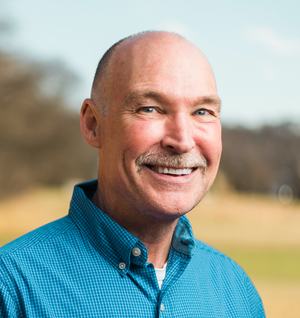
Author: Dr. Daniel Madsen is the founder and Medical Director at Madsen Medical. He is certified by the American Board of Internal Medicine, is trained in Bioidentical Hormone Replacement Therapy, is a member of the Menopause Society, and has studied metabolic medicine. He combines this knowledge and expertise with a passion for helping patients feel their best through personalized, holistic care.